
Wafa’s Precarious Life
Chanson douceWafa’s story of migration, exploitation, and strategic survival offers a contrasting portrait of another caregiver living within unequal arrangements.
increasing Bearing strength in each event
 decreasing
Bearing strength in each eventdecreasingArrival Through Dependence
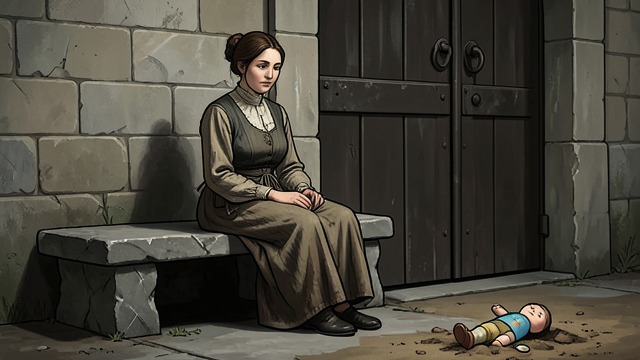
A Journey with Few Choices
An unequal migration route
Wafa describes reaching France through a relationship with an older man who brought her from Morocco. She is later pushed out when his family fears she may become pregnant.
Survival without security
Her story reveals how intimacy and material survival become entangled when legal status and shelter depend on other people. She narrates the arrangement bluntly, without the reserve that defines Louise.
A Transactional Marriage
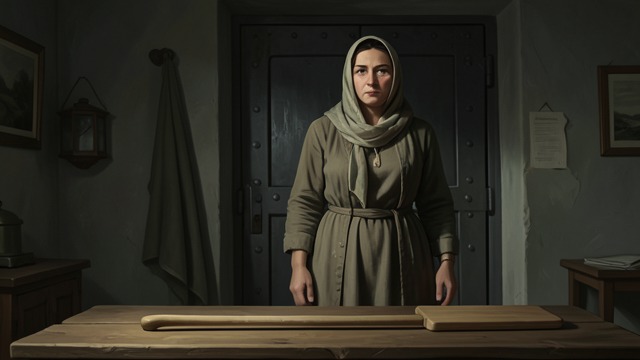
Papers for a Price
An agreement with Youssef
Wafa arranges to pay Youssef to marry her so she can pursue French papers. What begins as a transaction expands into a ceremony when he wants a public event.
Agency within constraint
Wafa makes choices, but those choices are bounded by immigration vulnerability and economic dependence. Her apparent pragmatism does not make the underlying arrangement equal or safe.
Work in a Borrowed Room
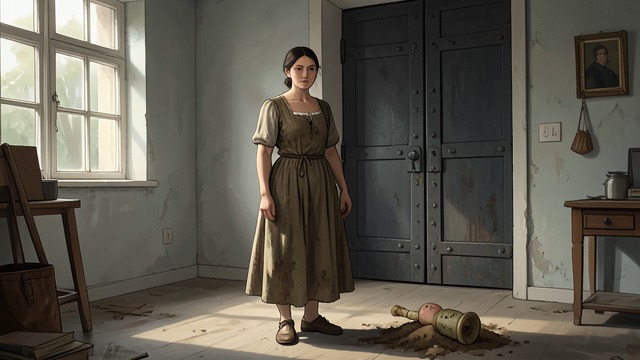
Employment with Hidden Costs
A place to stay
Wafa’s employers rent her a nearby room, but the arrangement means she feels she can never refuse them. Housing and work are linked in a way that narrows her ability to set limits.
A parallel to Louise
Like Louise, Wafa cares deeply for children who are not hers. Unlike Louise, she speaks more openly about the bargain, giving the novel a second view of the costs of domestic service.
The Square’s Informal Network
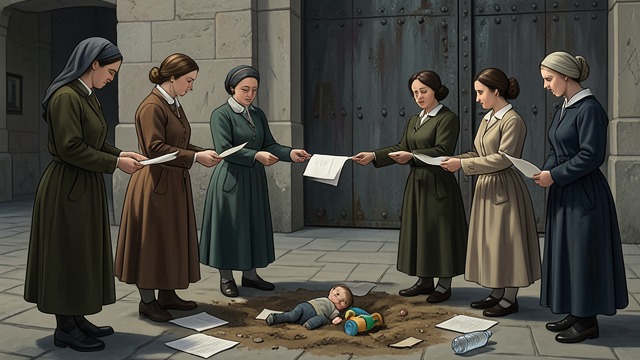
Caregivers’ Common Ground
Work beyond the home
Wafa and other nannies gather at the square, where they exchange stories and observe one another’s employers and children. Their meeting place functions as a workplace network and a small community.
Solidarity without guarantees
The women recognize exploitation and loneliness, yet their brief conversations cannot remove the risks attached to undocumented work or employer-controlled housing. Companionship offers relief rather than rescue.
The Visit Before the Crime
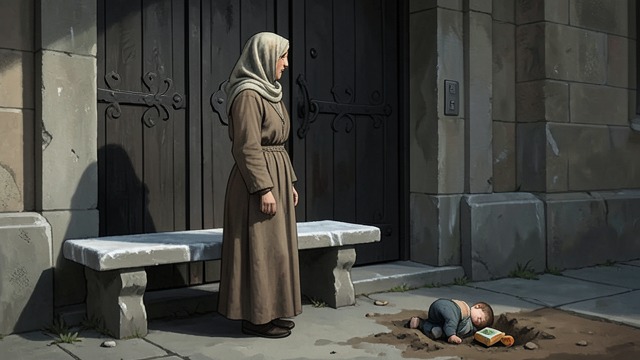
An Invitation Refused
Wafa sees the children
Wafa comes to Louise’s door and proposes a walk on a fine day. Louise refuses entry, while Alphonse slips inside and briefly joins Mila and Adam.
A missed intervention
Wafa leaves without knowing that the household is approaching catastrophe. Her account later helps Nina Dorval reconstruct the morning, but friendship could not make Louise disclose what was happening.
Before she meets Louise
Before Wafa’s wedding
After she finds a nanny job
During the winter afternoons
The morning of the murders
